
A 2023 study from the University of Sydney followed 2,500 people on self-managed low-carb diets for two years. The findings: 38% developed markers of liver stress (elevated ALT/AST enzymes). Among those who consumed more than 60% of calories from saturated fat (bacon, fatty beef, coconut oil), the rate was 54%. In comparison, a control group drinking 1–2 standard alcoholic drinks per day had only 22% with similar liver markers. Yes, extreme dieting was twice as harmful as moderate drinking.
But wait — isn’t alcohol the number one liver killer? “Not anymore,” says Dr. Sharma. “We’re seeing a shift. The combination of obesity, diabetes, and extreme diets is overtaking alcohol as the leading cause of liver disease in young Australians.” The problem is that people on these diets often ignore warning signs: fatigue, dull pain in the upper right abdomen, yellowish skin (mild jaundice), dark urine. They blame “keto flu” or dehydration. Meanwhile, their liver is silently suffering.
Who is most at risk?
-
People with pre-existing fatty liver (even mild).
-
Those who do “dirty keto” — lots of processed meats, sausages, bacon, and cheese.
-
Anyone who cycles between low-carb and high-carb (yo-yo dieting stresses the liver more).
-
People with genetic predisposition (family history of liver disease).
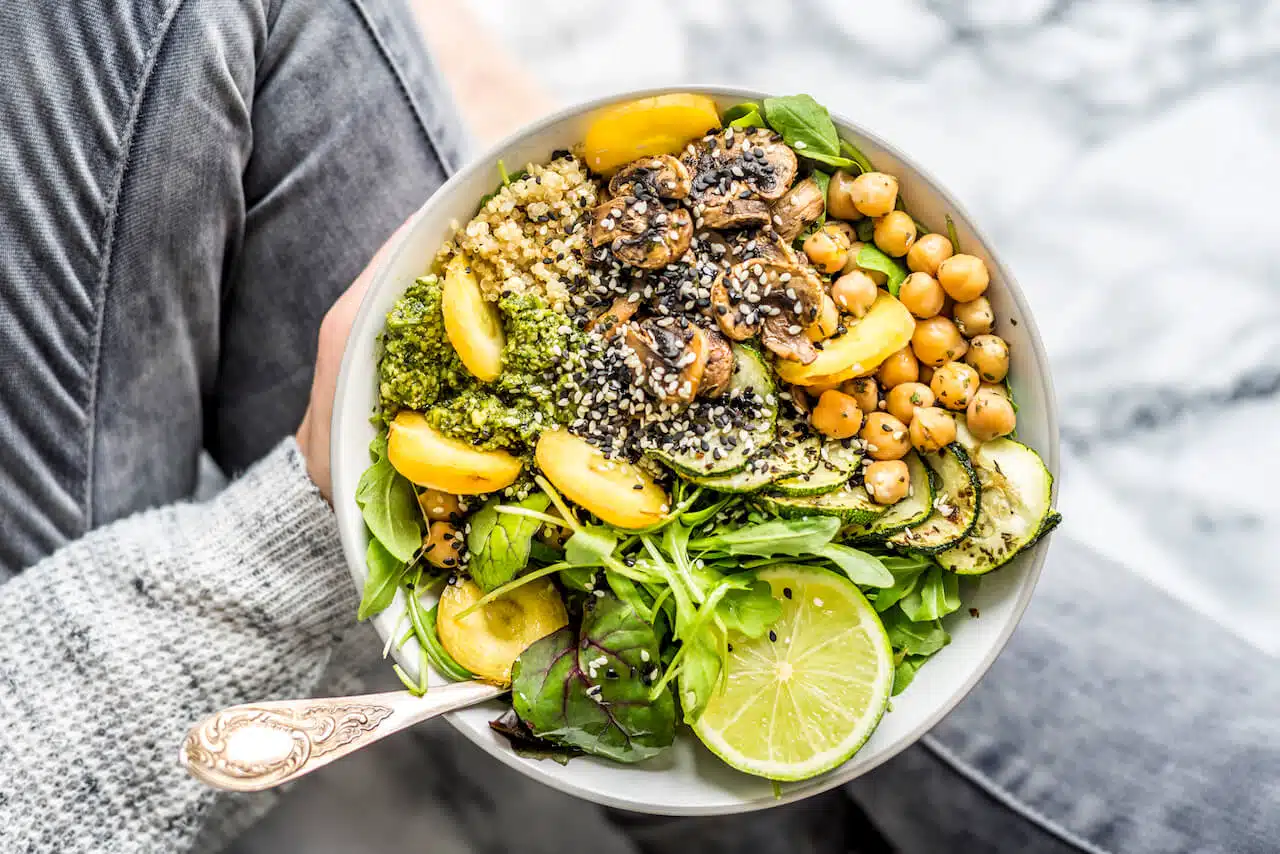
What about healthy low-carb diets, like Mediterranean or plant-based low-carb? Those are different, stresses Dr. Sharma. “If you do a low-carb diet based on avocado, nuts, seeds, olive oil, vegetables, and moderate fish — that’s not dangerous. The danger is diets where 70% of calories come from animal fat and there are almost no vegetables or fiber.” She recommends the “traffic light” system for liver safety:
Green (safe): Balanced diet with 40-50% carbs from whole grains, legumes, vegetables; 30% fat (mostly unsaturated); 20% protein.
Yellow (caution): Low-carb but with lots of veggies, nuts, olive oil, and no processed meats. Limit saturated fat to <10% of calories.
Red (dangerous): Less than 20g carbs per day, more than 50g saturated fat per day, no fruit, no legumes, heavy reliance on bacon, butter, fatty beef.
The study authors also note a specific danger for people with undiagnosed hemochromatosis (iron overload) — a common genetic disorder in Australians of Celtic descent. High red meat intake on a low-carb diet can push iron to toxic levels, causing rapid liver scarring.
What to do if you’ve been on an extreme low-carb diet for months? First, don’t panic. The liver is remarkably regenerative if you stop the damage. Dr. Sharma advises:
-
Introduce healthy carbs slowly – start with 50g of carbs per day from oatmeal, sweet potato, quinoa, lentils. This gives your liver the glucose it needs to process fat.
-
Cut saturated fat – replace butter with olive oil, fatty meat with fatty fish or plant proteins.
-
Get a liver function blood test – ALT, AST, GGT. Cheap and easy.
-
Consider an ultrasound – to check for fatty infiltration.