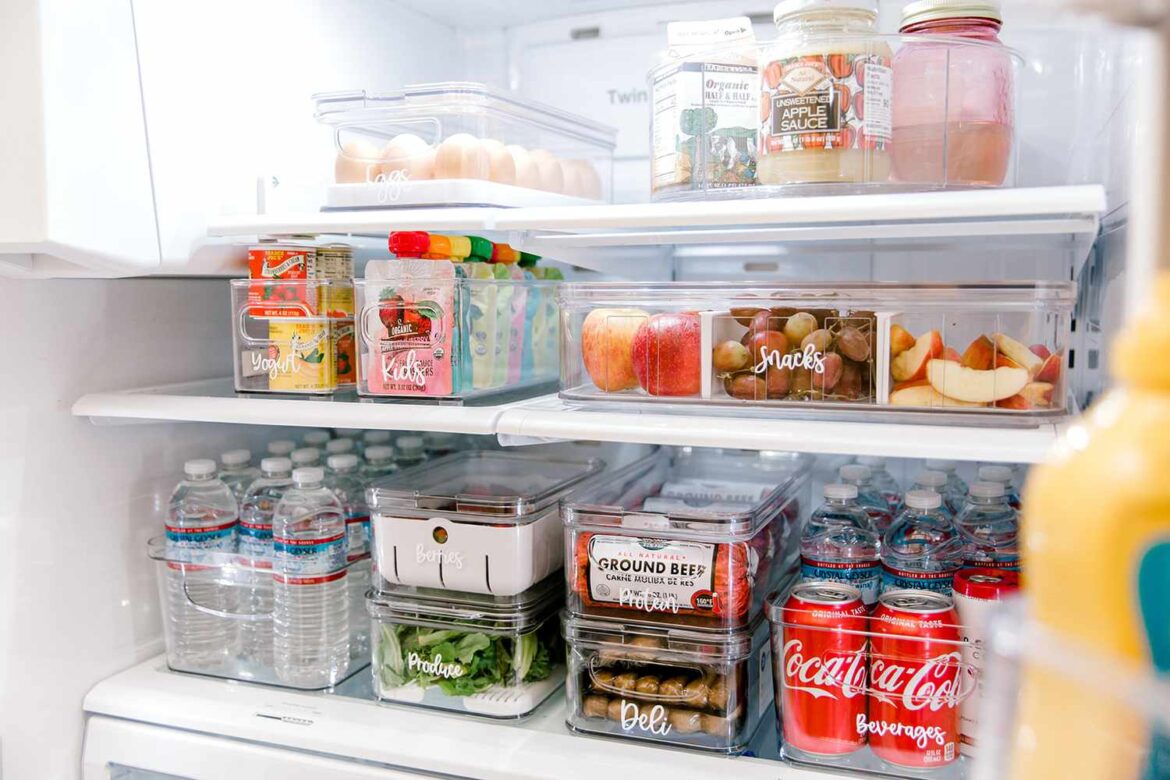
Home/Everyday Life How to store food so it lasts three times longer (fridge organisation secrets) by cms@editor May 4, 2026 written by cms@editor You throw away wilted lettuce, slimy cucumbers, and sad herbs every week. The average Australian household wastes over $2,500 of food per year — mostly because of incorrect storage. Your fridge is not one uniform temperature zone. Different foods need different conditions. Learn the simple science, and your groceries will last three times longer. The three fridge zones Top shelf (coldest, 1–3°C): Dairy, eggs, leftovers, deli meats. Never put milk in the door — it’s too warm there. Middle shelves (3–5°C): Cooked foods, yoghurt, cheese, opened sauces. Bottom drawer (crisper, higher humidity, 5–7°C): Vegetables and fruits — but separate them (see below). Door (warmest, 7–10°C): Only condiments, butter, juice. Never eggs or milk. The fruit and vegetable trick Fruits and vegetables hate each other. Many fruits (apples, bananas, tomatoes, avocados) release ethylene gas, which ripens (and rots) vegetables faster. Store fruits in one crisper drawer, vegetables in another. Keep apples and potatoes in separate paper bags — apples make potatoes sprout. Specific storage secrets Herbs (coriander, parsley, mint): Trim stems, put in a glass of water (like flowers), cover loosely with a plastic bag, refrigerate. They last 2–3 weeks instead of 3 days. Lettuce and leafy greens: Wash, dry completely (water causes rot), wrap in a dry paper towel inside a sealed container. Change towel every 3 days. Pages: 1 2
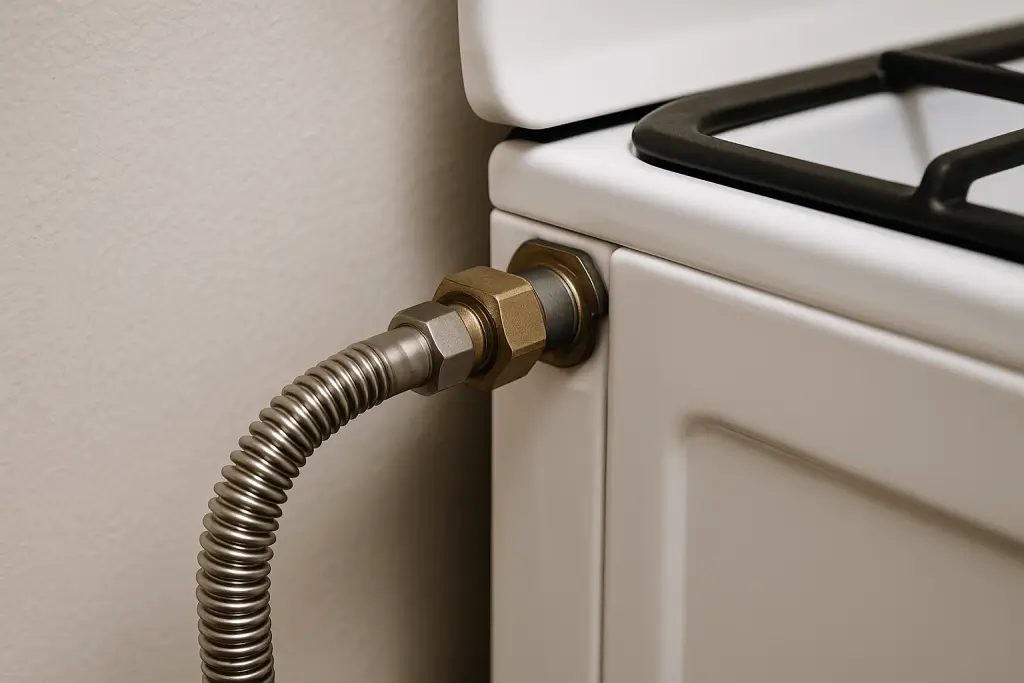
Home/Everyday Life The dangerous thing in your kitchen you forgot to replace (gas hose edition) by cms@editor May 4, 2026 written by cms@editor You check your smoke alarm. You have a fire extinguisher. But when did you last look at the rubber hose connecting your gas stove or oven to the wall? Most Australians never do. And that’s a problem. Gas hoses degrade over time. Cracks develop. Leaks happen. And a gas leak is not just a smell — it’s an explosion risk and a carbon monoxide hazard. The five‑year rule Gas hose manufacturers and Energy Safe Victoria recommend replacing rubber gas hoses every five years. Not “when they look worn”. Even if the hose looks fine externally, the inner rubber dries out and cracks. After five years, the risk of a leak increases eightfold. Yet a survey by Choice Australia found that 67% of households had gas hoses older than 10 years. Some were 20+ years old. How to check your hose Go to your kitchen. Follow the metal pipe from the wall to your stove. You’ll see a rubber or braided hose, typically 1–2 metres long. Look for: Cracks or perishing (dry, flaky rubber). Bulges or soft spots. Discoloration near the ends. Pages: 1 2
Home/Everyday Life How to remove any smell from laundry (even if you forgot it in the machine for two days) by cms@editor May 4, 2026 written by cms@editor You ran a load of washing. Then you forgot about it. Two days later, you open the machine and a sour, mildewy smell hits your face. You wash it again. The smell remains. Don’t throw the clothes away. That stink comes from bacteria and mould that ordinary detergent can’t kill. Here’s the fix. The one‑wash rescue method Rewash the smelly load with white vinegar instead of fabric softener. Pour one cup of white vinegar (the cheap cooking kind, $2 from Coles) into the softener dispenser or directly into the drum. Wash on the hottest setting the fabric can handle (40°C for delicates, 60°C for towels and sheets). Vinegar kills bacteria and neutralises alkaline odours. It also removes detergent residue that traps stink. If that doesn’t work: baking soda plus vinegar Run a second cycle. Add half a cup of baking soda to the drum with your regular detergent. Put one cup of vinegar in the softener slot. The combination fizzes inside the machine, deep‑cleaning fibres. This works for sweat‑stained gym clothes, musty towels, and even smoke smells. Pages: 1 2
Home/Everyday Life 10 things in your house you should throw out today (declutter without regret) by cms@editor May 4, 2026 written by cms@editor Your home is not a museum for broken things. Yet most Australians keep items they haven’t touched in years. Clutter creates stress — studies show that visual chaos raises cortisol levels. Here’s a ruthless but freeing list. If an item fits any category, bin it, donate it, or recycle it today. 1. Expired spices and herbs. Those dusty jars from 2019 have no flavour. Old spices won’t make you sick, but they add nothing to food. Replace every two years. 2. Freezer-burned meat. If you can’t identify the grey lump or it has ice crystals, it’s garbage. Your freezer is not a time machine. 3. Single socks with no mate. The missing sock is not coming back. Keep a small box for “orphans” for one month, then discard. 4. Old phone chargers and cables. Micro‑USB, Nokia, weird printer cables — you will never use them again. E‑waste recycling at Officeworks is free. 5. Plastic containers without lids. Or lids without containers. They multiply like rabbits and occupy precious cupboard space. Recycle the unmatched pieces. 6. Perfumes and lotions you hate. That gift set from three Christmases ago. You won’t suddenly like the scent. Donate unopened ones to a women’s shelter. Pages: 1 2
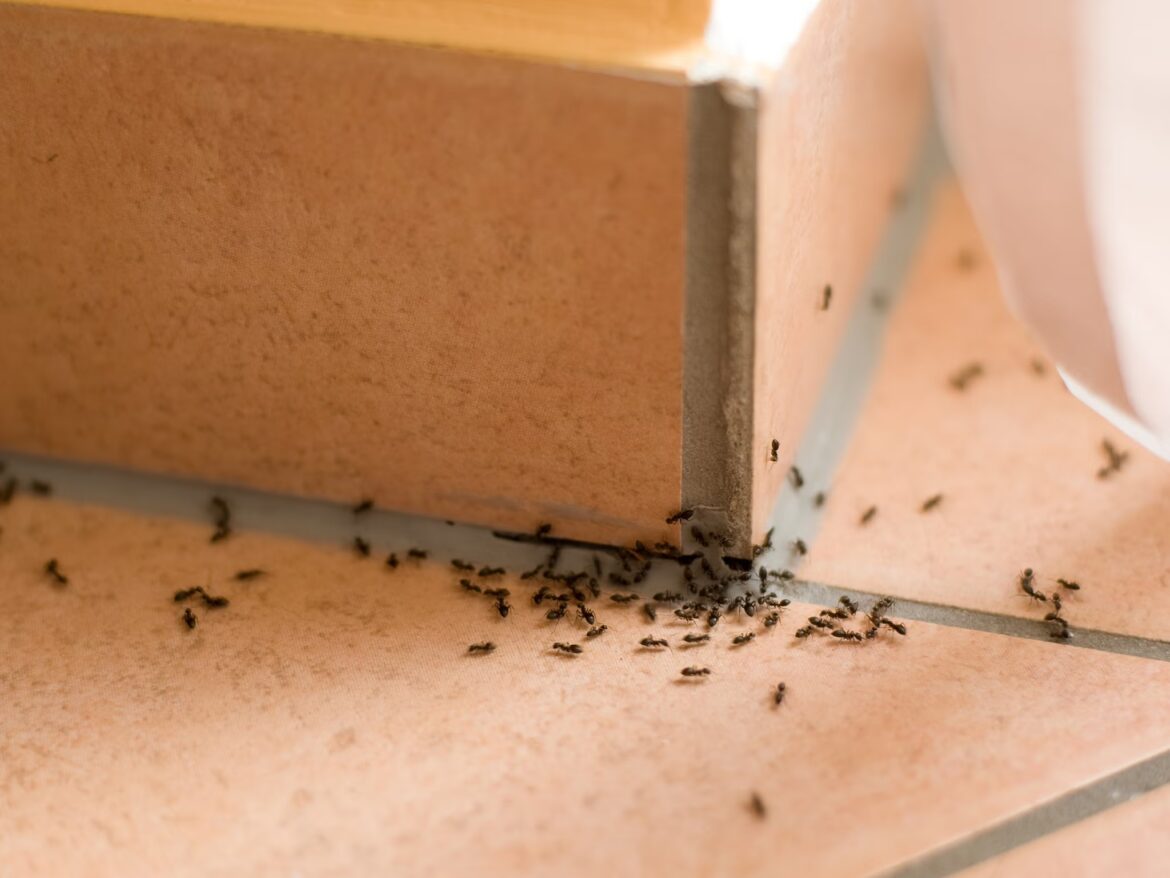
Home/Everyday Life How to get rid of ants forever (no chemicals, 5‑minute fix) by cms@editor May 4, 2026 written by cms@editor Ants invade Australian kitchens like clockwork, especially after rain. You wipe the bench, they come back. You spray poison, they find another path. The problem isn’t the ants you see — it’s the invisible chemical trail they leave for their nest mates. Break the trail, and you break the invasion. And you don’t need toxic sprays. The 5‑minute solution Mix equal parts white vinegar and water in a spray bottle. Add 10 drops of tea tree or peppermint oil (ants hate strong smells). Spray every surface where ants walk: bench edges, around the sink, along skirting boards. Wipe with a damp cloth. The vinegar erases the pheromone trail. The oil repels new scouts. Do this once a day for three days, then once a week. Pages: 1 2